Buy in.co.at ?
We are moving the project
in.co.at .
Are you interested in purchasing the domain
in.co.at ?
domain@kv-gmbh.de · 0541-91531010
Buy in.co.at ?
What is a serenade?
A serenade is a musical performance, typically performed outdoors, in which someone sings or plays music for a specific person or group of people. It is often a romantic gesture, with the performer expressing their feelings through the music. Serenades can be performed with a variety of instruments, such as guitar, violin, or piano, and can be accompanied by singing. They are often associated with love and courtship, and are a way for someone to express their affection and admiration for another person through music. **
What is the difference between culture and tradition?
Culture refers to the beliefs, customs, arts, and social behaviors of a particular group of people, encompassing a broader range of practices and values. On the other hand, tradition specifically refers to the customs and practices that are passed down from generation to generation within a specific community or society. While culture is more dynamic and can evolve over time, traditions tend to be more static and rooted in history and heritage. **

Similar search terms for Serenade
Top-Angebote
Products related to Serenade:
-
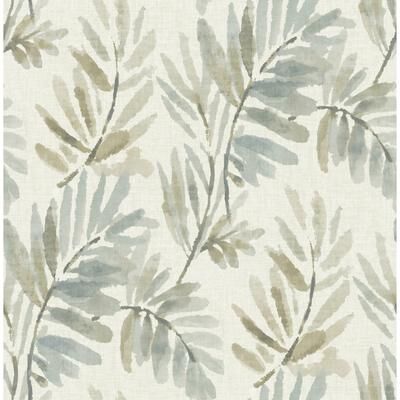
A-Street Prints Serenade Aqua Ferns WallpaperAiry ferns inked in soft watercolors along a linen-detailed backdrop infuse Serenade with the gentle serenity of the woods. Featured here in shades of aqua, denim, olive, beige, and taupe against cream.153,00 $*Shipping: 0,00 $Secure redirect to the provider



-
What does Cuban cuisine and eating culture look like?
Cuban cuisine is a fusion of Spanish, African, and Caribbean influences, resulting in a diverse and flavorful culinary tradition. Common ingredients include rice, beans, plantains, and various meats such as pork and chicken. Popular dishes include ropa vieja (shredded beef), arroz con pollo (chicken with rice), and lechón asado (roast pork). Eating culture in Cuba is centered around family and community, with meals often being a social and communal experience. It is common for Cubans to share meals with extended family and friends, and food is an important part of social gatherings and celebrations. **
-
What is the meaning of tradition, culture, and identity?
Tradition refers to the customs, beliefs, and practices that are passed down from generation to generation within a community or society. Culture encompasses the shared values, beliefs, and behaviors of a particular group of people, including their language, art, music, and social norms. Identity is the sense of self and belonging that is shaped by one's cultural background, traditions, and experiences. Together, tradition, culture, and identity form the foundation of a person's sense of belonging and connection to their community and heritage. **
-
What are electricity and high culture history?
Electricity history refers to the development and use of electricity as a form of energy, including the discovery of electricity, the invention of electric devices, and the establishment of electrical systems. High culture history, on the other hand, refers to the history of cultural and artistic achievements that are considered to be of high quality and sophistication, such as classical music, literature, fine arts, and theater. Both electricity and high culture history have evolved over time, shaping the way we live and appreciate the world around us. **
-
What is the difference between low culture and high culture in history?
Low culture refers to the cultural activities and products that are considered to be more common, popular, and easily accessible to the general public. This can include things like popular music, television shows, and mass-produced literature. On the other hand, high culture refers to the cultural activities and products that are considered to be more refined, sophisticated, and often associated with the elite or educated classes. This can include things like classical music, fine art, and literature that is considered to be more intellectually challenging. The distinction between low and high culture has been a source of debate and has evolved over time, but it generally reflects the social and class divisions within a society. **

Do you enjoy doing handicrafts?
As an AI, I don't have personal preferences or feelings, so I don't have the capacity to enjoy doing handicrafts. However, I can provide information and guidance on various handicraft projects and techniques for those who are interested in pursuing them. Whether or not someone enjoys doing handicrafts is a personal preference and can vary from person to person. **
Does anyone still master handicrafts?
Yes, there are still people who master handicrafts. While the prevalence of mass-produced goods has reduced the demand for handmade items, there is still a market for high-quality, artisanal products. Many individuals and communities around the world continue to practice and preserve traditional handicraft techniques, passing down their skills through generations. Additionally, the rise of the maker movement and the increasing interest in sustainable and ethically-made goods has led to a renewed appreciation for handmade crafts. **
Top-Angebote
Products related to Serenade:
-
A-Street Prints Serenade Aqua Ferns WallpaperAiry ferns inked in soft watercolors along a linen-detailed backdrop infuse Serenade with the gentle serenity of the woods. Featured here in shades of aqua, denim, olive, beige, and taupe against cream.153,00 $*Shipping: 0,00 $Secure redirect to the provider
-
What is a serenade?
A serenade is a musical performance, typically performed outdoors, in which someone sings or plays music for a specific person or group of people. It is often a romantic gesture, with the performer expressing their feelings through the music. Serenades can be performed with a variety of instruments, such as guitar, violin, or piano, and can be accompanied by singing. They are often associated with love and courtship, and are a way for someone to express their affection and admiration for another person through music. **
-
What is the difference between culture and tradition?
Culture refers to the beliefs, customs, arts, and social behaviors of a particular group of people, encompassing a broader range of practices and values. On the other hand, tradition specifically refers to the customs and practices that are passed down from generation to generation within a specific community or society. While culture is more dynamic and can evolve over time, traditions tend to be more static and rooted in history and heritage. **
-
What does Cuban cuisine and eating culture look like?
Cuban cuisine is a fusion of Spanish, African, and Caribbean influences, resulting in a diverse and flavorful culinary tradition. Common ingredients include rice, beans, plantains, and various meats such as pork and chicken. Popular dishes include ropa vieja (shredded beef), arroz con pollo (chicken with rice), and lechón asado (roast pork). Eating culture in Cuba is centered around family and community, with meals often being a social and communal experience. It is common for Cubans to share meals with extended family and friends, and food is an important part of social gatherings and celebrations. **
-
What is the meaning of tradition, culture, and identity?
Tradition refers to the customs, beliefs, and practices that are passed down from generation to generation within a community or society. Culture encompasses the shared values, beliefs, and behaviors of a particular group of people, including their language, art, music, and social norms. Identity is the sense of self and belonging that is shaped by one's cultural background, traditions, and experiences. Together, tradition, culture, and identity form the foundation of a person's sense of belonging and connection to their community and heritage. **
Similar search terms for Serenade
-
What are electricity and high culture history?
Electricity history refers to the development and use of electricity as a form of energy, including the discovery of electricity, the invention of electric devices, and the establishment of electrical systems. High culture history, on the other hand, refers to the history of cultural and artistic achievements that are considered to be of high quality and sophistication, such as classical music, literature, fine arts, and theater. Both electricity and high culture history have evolved over time, shaping the way we live and appreciate the world around us. **
-
What is the difference between low culture and high culture in history?
Low culture refers to the cultural activities and products that are considered to be more common, popular, and easily accessible to the general public. This can include things like popular music, television shows, and mass-produced literature. On the other hand, high culture refers to the cultural activities and products that are considered to be more refined, sophisticated, and often associated with the elite or educated classes. This can include things like classical music, fine art, and literature that is considered to be more intellectually challenging. The distinction between low and high culture has been a source of debate and has evolved over time, but it generally reflects the social and class divisions within a society. **
-
Do you enjoy doing handicrafts?
As an AI, I don't have personal preferences or feelings, so I don't have the capacity to enjoy doing handicrafts. However, I can provide information and guidance on various handicraft projects and techniques for those who are interested in pursuing them. Whether or not someone enjoys doing handicrafts is a personal preference and can vary from person to person. **
-
Does anyone still master handicrafts?
Yes, there are still people who master handicrafts. While the prevalence of mass-produced goods has reduced the demand for handmade items, there is still a market for high-quality, artisanal products. Many individuals and communities around the world continue to practice and preserve traditional handicraft techniques, passing down their skills through generations. Additionally, the rise of the maker movement and the increasing interest in sustainable and ethically-made goods has led to a renewed appreciation for handmade crafts. **
* All prices are inclusive of VAT and, if applicable, plus shipping costs. The offer information is based on the details provided by the respective shop and is updated through automated processes. Real-time updates do not occur, so deviations can occur in individual cases. ** Note: Parts of this content were created by AI.