Buy in.co.at ?
We are moving the project
in.co.at .
Are you interested in purchasing the domain
in.co.at ?
domain@kv-gmbh.de · 0541-91531010
Buy in.co.at ?
What is the difference between culture and tradition?
Culture refers to the beliefs, customs, arts, and social behaviors of a particular group of people, encompassing a broader range of practices and values. On the other hand, tradition specifically refers to the customs and practices that are passed down from generation to generation within a specific community or society. While culture is more dynamic and can evolve over time, traditions tend to be more static and rooted in history and heritage. **
What does Cuban cuisine and eating culture look like?
Cuban cuisine is a fusion of Spanish, African, and Caribbean influences, resulting in a diverse and flavorful culinary tradition. Common ingredients include rice, beans, plantains, and various meats such as pork and chicken. Popular dishes include ropa vieja (shredded beef), arroz con pollo (chicken with rice), and lechón asado (roast pork). Eating culture in Cuba is centered around family and community, with meals often being a social and communal experience. It is common for Cubans to share meals with extended family and friends, and food is an important part of social gatherings and celebrations. **
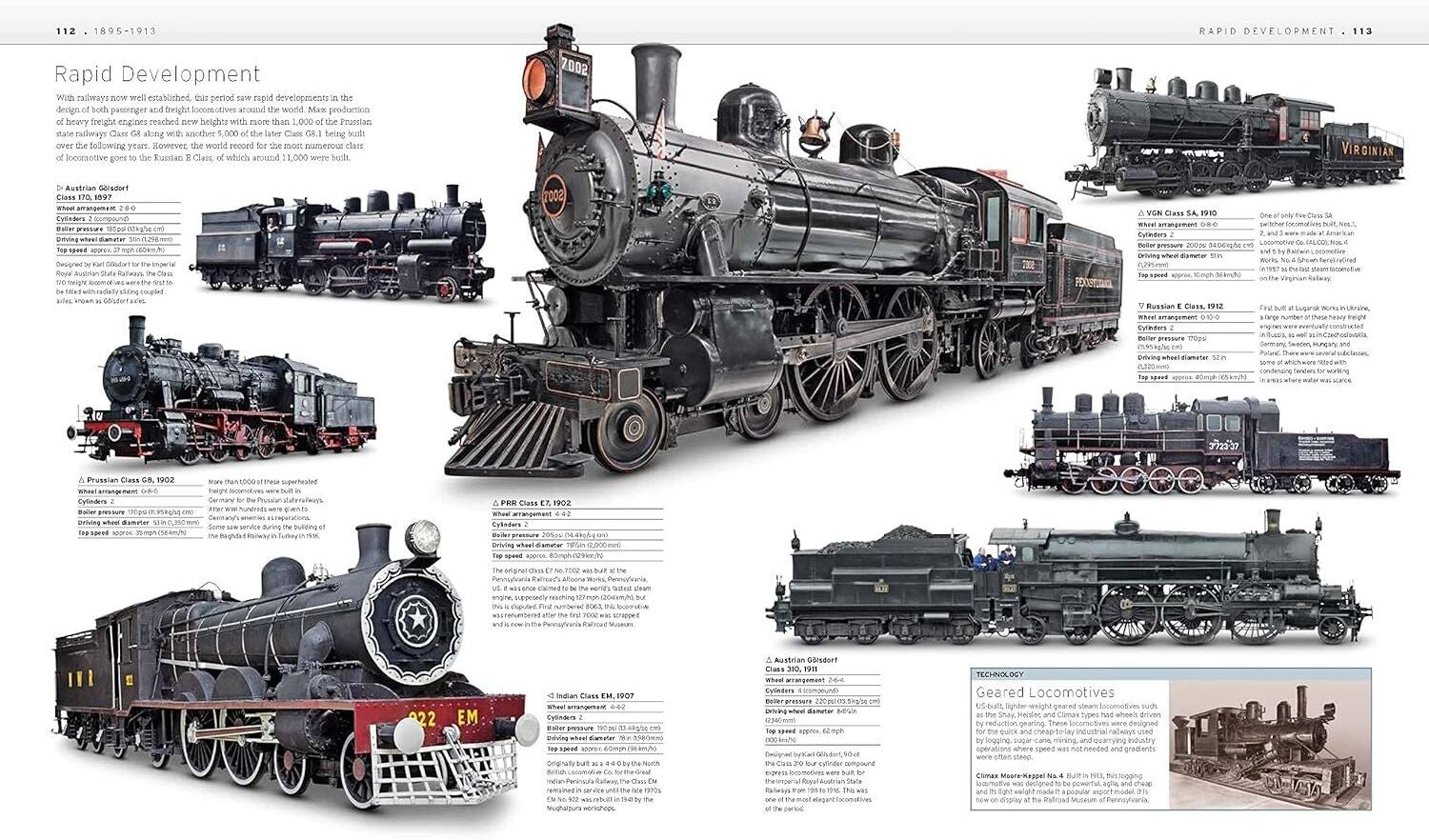

Similar search terms for Train
Top-Angebote
Products related to Train:
-
Hey! Play! Hey Play 63PC Wooden Train Set with Illustrated Ocean Train Table (Yellow)Widen your little one’s imagination with this 63-Piece Train Set with Kids Activity Table by Hey Play. Its durable, handcrafted solid wood track pieces are easy for young builders to connect and remove.162,99 $*Shipping: 0,00 $Secure redirect to the provider
-
Last Train Home Steam CD KeyLast Train Home PC Steam CD Key - Instant Digital Delivery Last Train Home is a survival real-time strategy (RTS) game developed by Ashborne Games and published by THQ Nordic. Released on November 28, 2023 , the game offers a unique blend of tactical combat, resource management, and historical storytelling, set during the chaotic aftermath of World War I. Story Overview The game follows the journey of the Czechoslovak Legion, a group of soldiers stranded in Russia during the Russian Civil War. Unable to return home through the west, they embark on a perilous journey across Siberia aboard an armored train, navigating the dangers of the Trans-Siberian Railway. Players must lead the legion through harsh environments, manage resources, and survive encounters with hostile forces, including the Red Army. Gameplay Highlights Survival and Resource Management : Manage the train's crew, supplies, and equipment to ensure survival. Gather resources like coal, food, and military gear to keep the train operational and the crew well-fed. Tactical Combat : Engage in real-time battles with pausable mechanics, controlling squads of soldiers. Use strategic tactics, such as stealth and explosives, to overcome enemies that often outnumber your forces. Train Customization : Upgrade and maintain the train's carriages to improve durability, working conditions, and capacity. Equip the train with defenses to withstand attacks from enemies. Dynamic World : Explore diverse points of interest, including settlements, forests, and lakes, to trade goods and replenish supplies. Face environmental challenges like the biting Siberian cold and deteriorating train conditions. Historical Immersion : The narrative is inspired by real historical events, offering a glimpse into the struggles of the Czechoslovak Legion during the Russian Civil War. Features a rich atmosphere with detailed visuals, music, and narration that bring the story to life. Atmosphere and Presentation The game excels in creating an immersive experience, with its detailed depiction of war-torn Siberia and the emotional weight of the legion's journey. The combination of survival mechanics and historical storytelling makes Last Train Home a standout title for fans of strategy and narrative-driven games.9,93 £*Shipping: 0,00 £Secure redirect to the provider
-
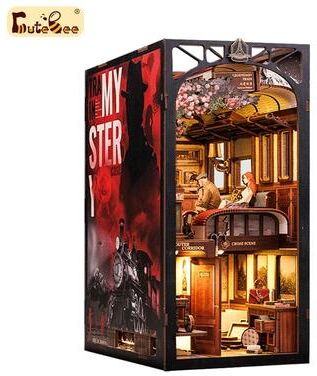
Inspire Select CUTEBEE Detective Train Mystery Book Nook Kit DIY 3D Wooden Puzzle Bookshelf Insert train MysteryTurn your bookshelf into a mysterious miniature world filled with intrigue and adventure. This DIY book nook kit features a detailed detective train mystery bookshelf insert that brings storytelling and creativity together in a captivating display....264,99 $*Shipping: 0,00 $Secure redirect to the provider


-
What is the meaning of tradition, culture, and identity?
Tradition refers to the customs, beliefs, and practices that are passed down from generation to generation within a community or society. Culture encompasses the shared values, beliefs, and behaviors of a particular group of people, including their language, art, music, and social norms. Identity is the sense of self and belonging that is shaped by one's cultural background, traditions, and experiences. Together, tradition, culture, and identity form the foundation of a person's sense of belonging and connection to their community and heritage. **
-
Train dispatcher or train driver?
The role of a train dispatcher involves coordinating and managing the movement of trains, ensuring they run on schedule and safely. This position requires strong organizational and communication skills, as well as the ability to make quick decisions in high-pressure situations. On the other hand, a train driver is responsible for operating the train, ensuring the safety of passengers and cargo, and following all safety protocols and regulations. Both roles are crucial for the efficient and safe operation of the railway system, but they involve different responsibilities and skill sets. **
-
'On the train or in the train?'
Both "on the train" and "in the train" are correct, but they are used in different contexts. "On the train" is used when referring to being physically on the train, such as standing on the platform or sitting in a seat. "In the train" is used when referring to being inside the train, such as walking through the carriages or using the facilities. **
-
What are electricity and high culture history?
Electricity history refers to the development and use of electricity as a form of energy, including the discovery of electricity, the invention of electric devices, and the establishment of electrical systems. High culture history, on the other hand, refers to the history of cultural and artistic achievements that are considered to be of high quality and sophistication, such as classical music, literature, fine arts, and theater. Both electricity and high culture history have evolved over time, shaping the way we live and appreciate the world around us. **


What is the difference between low culture and high culture in history?
Low culture refers to the cultural activities and products that are considered to be more common, popular, and easily accessible to the general public. This can include things like popular music, television shows, and mass-produced literature. On the other hand, high culture refers to the cultural activities and products that are considered to be more refined, sophisticated, and often associated with the elite or educated classes. This can include things like classical music, fine art, and literature that is considered to be more intellectually challenging. The distinction between low and high culture has been a source of debate and has evolved over time, but it generally reflects the social and class divisions within a society. **
Why are train tracks numbered at train stations?
Train tracks are numbered at train stations to help organize and identify the different tracks for train arrivals and departures. The numbering system allows for efficient communication between station staff, train conductors, and passengers about the location of specific trains. This helps prevent confusion and ensures that trains are directed to the correct platform for boarding and disembarking. Additionally, track numbering helps with scheduling and coordination of train movements within the station. **
Top-Angebote
Products related to Train:
-
The Train Book: The Definitive Visual History (DK Definitive Transport Guides) - PaperbackThis stunning book is a glorious celebration of all things train and track! Packed with stunning photography, The Train Book catalogues the development of trains from early steam to diesel engines and electric locomotives, explores in detail iconic trains such as the Palace on Wheels and the Orient Express, and chronicles the social, political, and cultural backdrop against which railways were built the world over. Profiling the best-loved railways and rail journeys of all time - from the Union-Pacific Railroad to the Trans-Siberian Railway - and the pioneers of train and track - from "Father of the Railways" George Stephenson to engineering legend Isambard Kingdom Brunel and Métro-maestro Fulgence Bienvenüe, The Train Book has something for every train enthusiast to love! The Train Book further features: - A truly international view of trains through time, from English steam to Japanese electric. - Tells the stories of key innovators, designers, and engineers responsible for advancing rail travel. - Double-page images capture the beauty of the railways and the challenges faced by the people who built them. A must-have gift book for anyone with an interest in trains, locomotives, and the history of the railway, this one-stop train guide is sure to delight.12,99 £*Shipping: 2,99 £Secure redirect to the provider
-
The Train Book: The Definitive Visual History (DK Definitive Transport Guides) - HardcoverThis stunning book is a glorious celebration of all things train and track!Packed with stunning photography, The Train Book catalogues the development of trains from early steam to diesel engines and electric locomotives, explores in detail iconic trains such as the Palace on Wheels and the Orient Express, and chronicles the social, political, and cultural backdrop against which railways were built the world over. Profiling the best-loved railways and rail journeys of all time - from the Union-Pacific Railroad to the Trans-Siberian Railway - and the pioneers of train and track - from "Father of the Railways" George Stephenson to engineering legend Isambard Kingdom Brunel and Métro-maestro Fulgence Bienvenüe, The Train Book has something for every train enthusiast to love!The Train Book further features: - A truly international view of trains through time, from English steam to Japanese electric. - Tells the stories of key innovators, designers, and engineers responsible for advancing rail travel. - Double-page images capture the beauty of the railways and the challenges faced by the people who built them. A must-have gift book for anyone with an interest in trains, locomotives, and the history of the railway, this one-stop train guide is sure to delight19,99 £*Shipping: 2,99 £Secure redirect to the provider
-
Hey! Play! Hey Play 63PC Wooden Train Set with Illustrated Ocean Train Table (Yellow)Widen your little one’s imagination with this 63-Piece Train Set with Kids Activity Table by Hey Play. Its durable, handcrafted solid wood track pieces are easy for young builders to connect and remove.162,99 $*Shipping: 0,00 $Secure redirect to the provider
-
What is the difference between culture and tradition?
Culture refers to the beliefs, customs, arts, and social behaviors of a particular group of people, encompassing a broader range of practices and values. On the other hand, tradition specifically refers to the customs and practices that are passed down from generation to generation within a specific community or society. While culture is more dynamic and can evolve over time, traditions tend to be more static and rooted in history and heritage. **
-
What does Cuban cuisine and eating culture look like?
Cuban cuisine is a fusion of Spanish, African, and Caribbean influences, resulting in a diverse and flavorful culinary tradition. Common ingredients include rice, beans, plantains, and various meats such as pork and chicken. Popular dishes include ropa vieja (shredded beef), arroz con pollo (chicken with rice), and lechón asado (roast pork). Eating culture in Cuba is centered around family and community, with meals often being a social and communal experience. It is common for Cubans to share meals with extended family and friends, and food is an important part of social gatherings and celebrations. **
-
What is the meaning of tradition, culture, and identity?
Tradition refers to the customs, beliefs, and practices that are passed down from generation to generation within a community or society. Culture encompasses the shared values, beliefs, and behaviors of a particular group of people, including their language, art, music, and social norms. Identity is the sense of self and belonging that is shaped by one's cultural background, traditions, and experiences. Together, tradition, culture, and identity form the foundation of a person's sense of belonging and connection to their community and heritage. **
-
Train dispatcher or train driver?
The role of a train dispatcher involves coordinating and managing the movement of trains, ensuring they run on schedule and safely. This position requires strong organizational and communication skills, as well as the ability to make quick decisions in high-pressure situations. On the other hand, a train driver is responsible for operating the train, ensuring the safety of passengers and cargo, and following all safety protocols and regulations. Both roles are crucial for the efficient and safe operation of the railway system, but they involve different responsibilities and skill sets. **
Similar search terms for Train
-
Last Train Home Steam CD KeyLast Train Home PC Steam CD Key - Instant Digital Delivery Last Train Home is a survival real-time strategy (RTS) game developed by Ashborne Games and published by THQ Nordic. Released on November 28, 2023 , the game offers a unique blend of tactical combat, resource management, and historical storytelling, set during the chaotic aftermath of World War I. Story Overview The game follows the journey of the Czechoslovak Legion, a group of soldiers stranded in Russia during the Russian Civil War. Unable to return home through the west, they embark on a perilous journey across Siberia aboard an armored train, navigating the dangers of the Trans-Siberian Railway. Players must lead the legion through harsh environments, manage resources, and survive encounters with hostile forces, including the Red Army. Gameplay Highlights Survival and Resource Management : Manage the train's crew, supplies, and equipment to ensure survival. Gather resources like coal, food, and military gear to keep the train operational and the crew well-fed. Tactical Combat : Engage in real-time battles with pausable mechanics, controlling squads of soldiers. Use strategic tactics, such as stealth and explosives, to overcome enemies that often outnumber your forces. Train Customization : Upgrade and maintain the train's carriages to improve durability, working conditions, and capacity. Equip the train with defenses to withstand attacks from enemies. Dynamic World : Explore diverse points of interest, including settlements, forests, and lakes, to trade goods and replenish supplies. Face environmental challenges like the biting Siberian cold and deteriorating train conditions. Historical Immersion : The narrative is inspired by real historical events, offering a glimpse into the struggles of the Czechoslovak Legion during the Russian Civil War. Features a rich atmosphere with detailed visuals, music, and narration that bring the story to life. Atmosphere and Presentation The game excels in creating an immersive experience, with its detailed depiction of war-torn Siberia and the emotional weight of the legion's journey. The combination of survival mechanics and historical storytelling makes Last Train Home a standout title for fans of strategy and narrative-driven games.9,93 £*Shipping: 0,00 £Secure redirect to the provider
-
Inspire Select CUTEBEE Detective Train Mystery Book Nook Kit DIY 3D Wooden Puzzle Bookshelf Insert train MysteryTurn your bookshelf into a mysterious miniature world filled with intrigue and adventure. This DIY book nook kit features a detailed detective train mystery bookshelf insert that brings storytelling and creativity together in a captivating display....264,99 $*Shipping: 0,00 $Secure redirect to the provider
-
7' Inflatable Train by BrylaneHome in MultiAbout This ProductBring holiday magic to life with the 7-foot Inflatable Santa Train, complete with a jolly gingerbread man, Santa himself, and a candy-themed Christmas tree. This colorful, whimsical display brings joy to kids and neighbors alike....51,09 $*Shipping: 39,98 $Secure redirect to the provider
-
'On the train or in the train?'
Both "on the train" and "in the train" are correct, but they are used in different contexts. "On the train" is used when referring to being physically on the train, such as standing on the platform or sitting in a seat. "In the train" is used when referring to being inside the train, such as walking through the carriages or using the facilities. **
-
What are electricity and high culture history?
Electricity history refers to the development and use of electricity as a form of energy, including the discovery of electricity, the invention of electric devices, and the establishment of electrical systems. High culture history, on the other hand, refers to the history of cultural and artistic achievements that are considered to be of high quality and sophistication, such as classical music, literature, fine arts, and theater. Both electricity and high culture history have evolved over time, shaping the way we live and appreciate the world around us. **
-
What is the difference between low culture and high culture in history?
Low culture refers to the cultural activities and products that are considered to be more common, popular, and easily accessible to the general public. This can include things like popular music, television shows, and mass-produced literature. On the other hand, high culture refers to the cultural activities and products that are considered to be more refined, sophisticated, and often associated with the elite or educated classes. This can include things like classical music, fine art, and literature that is considered to be more intellectually challenging. The distinction between low and high culture has been a source of debate and has evolved over time, but it generally reflects the social and class divisions within a society. **
-
Why are train tracks numbered at train stations?
Train tracks are numbered at train stations to help organize and identify the different tracks for train arrivals and departures. The numbering system allows for efficient communication between station staff, train conductors, and passengers about the location of specific trains. This helps prevent confusion and ensures that trains are directed to the correct platform for boarding and disembarking. Additionally, track numbering helps with scheduling and coordination of train movements within the station. **
* All prices are inclusive of VAT and, if applicable, plus shipping costs. The offer information is based on the details provided by the respective shop and is updated through automated processes. Real-time updates do not occur, so deviations can occur in individual cases. ** Note: Parts of this content were created by AI.