Buy in.co.at ?
We are moving the project
in.co.at .
Are you interested in purchasing the domain
in.co.at ?
domain@kv-gmbh.de · 0541-91531010
Buy in.co.at ?
What is a Bento box?
A Bento box is a traditional Japanese lunch box that contains a single-portion meal. It typically consists of a balanced combination of rice, fish or meat, and vegetables, all neatly arranged in separate compartments within the box. Bento boxes are known for their aesthetic presentation and are often used as a way to pack a convenient and visually appealing meal for school or work. They are also popular in Japanese restaurants and are a staple of Japanese cuisine. **
Where can one buy bento boxes?
Bento boxes can be purchased at a variety of places, including Asian grocery stores, kitchenware stores, and online retailers. Many department stores and specialty stores also carry bento boxes, especially those with a focus on Japanese culture and cuisine. Additionally, some restaurants and food delivery services may offer bento boxes for purchase. **

Similar search terms for Bento
Top-Angebote
Products related to Bento:


-
How does it work with the bento boxes?
Bento boxes work by providing a convenient and organized way to pack and carry a meal. The box is typically divided into several compartments, allowing for a variety of different foods to be packed together without mixing. This makes it easy to portion out different types of food and keep them separate. Bento boxes are commonly used in Japanese cuisine, but they have become popular in many other cultures as a way to pack a balanced and visually appealing meal for on-the-go consumption. **
-
Is there an alternative for Nori in the ingredients for a bento box?
Yes, there are alternatives for Nori in a bento box. You can use other types of seaweed such as kombu or wakame to wrap sushi rolls or add as a side dish. If you prefer a non-seaweed option, you can use thinly sliced cucumber or soy paper to wrap sushi rolls. Additionally, you can also use lettuce leaves or rice paper as a substitute for Nori in a bento box. **
-
What is the difference between culture and tradition?
Culture refers to the beliefs, customs, arts, and social behaviors of a particular group of people, encompassing a broader range of practices and values. On the other hand, tradition specifically refers to the customs and practices that are passed down from generation to generation within a specific community or society. While culture is more dynamic and can evolve over time, traditions tend to be more static and rooted in history and heritage. **
-
What does Cuban cuisine and eating culture look like?
Cuban cuisine is a fusion of Spanish, African, and Caribbean influences, resulting in a diverse and flavorful culinary tradition. Common ingredients include rice, beans, plantains, and various meats such as pork and chicken. Popular dishes include ropa vieja (shredded beef), arroz con pollo (chicken with rice), and lechón asado (roast pork). Eating culture in Cuba is centered around family and community, with meals often being a social and communal experience. It is common for Cubans to share meals with extended family and friends, and food is an important part of social gatherings and celebrations. **


What is the meaning of tradition, culture, and identity?
Tradition refers to the customs, beliefs, and practices that are passed down from generation to generation within a community or society. Culture encompasses the shared values, beliefs, and behaviors of a particular group of people, including their language, art, music, and social norms. Identity is the sense of self and belonging that is shaped by one's cultural background, traditions, and experiences. Together, tradition, culture, and identity form the foundation of a person's sense of belonging and connection to their community and heritage. **
What are electricity and high culture history?
Electricity history refers to the development and use of electricity as a form of energy, including the discovery of electricity, the invention of electric devices, and the establishment of electrical systems. High culture history, on the other hand, refers to the history of cultural and artistic achievements that are considered to be of high quality and sophistication, such as classical music, literature, fine arts, and theater. Both electricity and high culture history have evolved over time, shaping the way we live and appreciate the world around us. **
Top-Angebote
Products related to Bento:
-
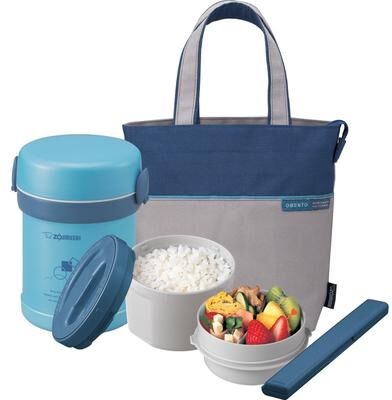
Zojirushi Ms. Bento Stainless Lunch JarZojirushi Ms. Bento Stainless Lunch Jar contains a washable container, two microwaveable inner bowls, chopsticks, chopsticks holder and easy-to-carry bag. Its vacuum insulation keeps foods hot or cold for hours.55,99 $*Shipping: 0,00 $Secure redirect to the provider
-
What is a Bento box?
A Bento box is a traditional Japanese lunch box that contains a single-portion meal. It typically consists of a balanced combination of rice, fish or meat, and vegetables, all neatly arranged in separate compartments within the box. Bento boxes are known for their aesthetic presentation and are often used as a way to pack a convenient and visually appealing meal for school or work. They are also popular in Japanese restaurants and are a staple of Japanese cuisine. **
-
Where can one buy bento boxes?
Bento boxes can be purchased at a variety of places, including Asian grocery stores, kitchenware stores, and online retailers. Many department stores and specialty stores also carry bento boxes, especially those with a focus on Japanese culture and cuisine. Additionally, some restaurants and food delivery services may offer bento boxes for purchase. **
-
How does it work with the bento boxes?
Bento boxes work by providing a convenient and organized way to pack and carry a meal. The box is typically divided into several compartments, allowing for a variety of different foods to be packed together without mixing. This makes it easy to portion out different types of food and keep them separate. Bento boxes are commonly used in Japanese cuisine, but they have become popular in many other cultures as a way to pack a balanced and visually appealing meal for on-the-go consumption. **
-
Is there an alternative for Nori in the ingredients for a bento box?
Yes, there are alternatives for Nori in a bento box. You can use other types of seaweed such as kombu or wakame to wrap sushi rolls or add as a side dish. If you prefer a non-seaweed option, you can use thinly sliced cucumber or soy paper to wrap sushi rolls. Additionally, you can also use lettuce leaves or rice paper as a substitute for Nori in a bento box. **
Similar search terms for Bento
-
What is the difference between culture and tradition?
Culture refers to the beliefs, customs, arts, and social behaviors of a particular group of people, encompassing a broader range of practices and values. On the other hand, tradition specifically refers to the customs and practices that are passed down from generation to generation within a specific community or society. While culture is more dynamic and can evolve over time, traditions tend to be more static and rooted in history and heritage. **
-
What does Cuban cuisine and eating culture look like?
Cuban cuisine is a fusion of Spanish, African, and Caribbean influences, resulting in a diverse and flavorful culinary tradition. Common ingredients include rice, beans, plantains, and various meats such as pork and chicken. Popular dishes include ropa vieja (shredded beef), arroz con pollo (chicken with rice), and lechón asado (roast pork). Eating culture in Cuba is centered around family and community, with meals often being a social and communal experience. It is common for Cubans to share meals with extended family and friends, and food is an important part of social gatherings and celebrations. **
-
What is the meaning of tradition, culture, and identity?
Tradition refers to the customs, beliefs, and practices that are passed down from generation to generation within a community or society. Culture encompasses the shared values, beliefs, and behaviors of a particular group of people, including their language, art, music, and social norms. Identity is the sense of self and belonging that is shaped by one's cultural background, traditions, and experiences. Together, tradition, culture, and identity form the foundation of a person's sense of belonging and connection to their community and heritage. **
-
What are electricity and high culture history?
Electricity history refers to the development and use of electricity as a form of energy, including the discovery of electricity, the invention of electric devices, and the establishment of electrical systems. High culture history, on the other hand, refers to the history of cultural and artistic achievements that are considered to be of high quality and sophistication, such as classical music, literature, fine arts, and theater. Both electricity and high culture history have evolved over time, shaping the way we live and appreciate the world around us. **
* All prices are inclusive of VAT and, if applicable, plus shipping costs. The offer information is based on the details provided by the respective shop and is updated through automated processes. Real-time updates do not occur, so deviations can occur in individual cases. ** Note: Parts of this content were created by AI.