Buy in.co.at ?
We are moving the project
in.co.at .
Are you interested in purchasing the domain
in.co.at ?
domain@kv-gmbh.de · 0541-91531010
Buy in.co.at ?
Is there a European culture and a European hegemony?
There is a diverse range of cultures across Europe, each with its own unique traditions, languages, and customs. While there are certain commonalities and shared values that can be considered part of a broader European culture, it is important to recognize and respect the diversity within the continent. As for European hegemony, historically, certain European powers have exerted significant influence and control over other regions of the world. However, in the modern context, the idea of a singular European hegemony is complex and contested, as the European Union is a union of sovereign states with shared governance rather than a single dominant power. **
Is East Asian cuisine more varied than European cuisine?
Both East Asian and European cuisines are incredibly varied, with each region offering a wide range of flavors, ingredients, and cooking techniques. East Asian cuisine encompasses the diverse culinary traditions of countries such as China, Japan, Korea, and Thailand, each with its own unique dishes and flavors. Similarly, European cuisine is incredibly varied, with distinct culinary traditions in countries like Italy, France, Spain, and Greece. Ultimately, the variety of both East Asian and European cuisines is a result of the rich diversity of ingredients, cooking methods, and cultural influences found within each region. **
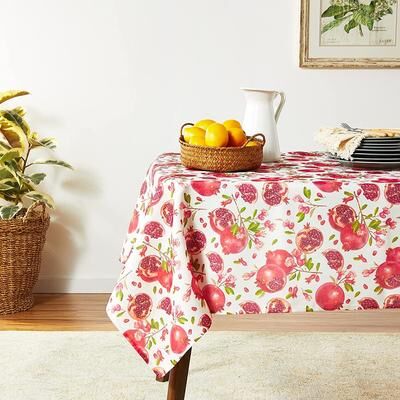

Similar search terms for Violet-Linen-European-Pomegranates
Top-Angebote
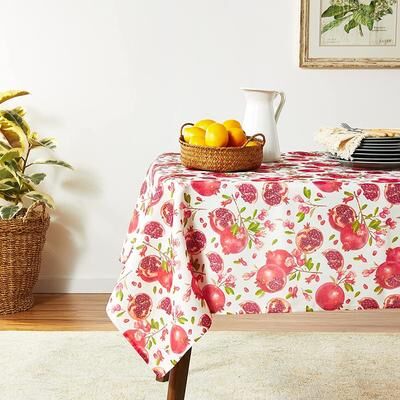
Products related to Violet-Linen-European-Pomegranates:


-
Are cranberries and pomegranates the same thing?
No, cranberries and pomegranates are not the same thing. They are two different types of fruits with distinct flavors, textures, and appearances. Cranberries are small, red berries that are tart and commonly used in sauces and juices, while pomegranates are larger, round fruits with a tough outer skin and juicy, sweet-tart arils inside. Both fruits are known for their health benefits and are popular ingredients in various dishes and beverages. **
-
When is the best time for pomegranates?
The best time for pomegranates is typically in the fall, from September to November. This is when pomegranates are in season and are at their peak in terms of flavor and juiciness. **
-
Why is crystal violet lactone colorless and crystal violet violet?
Crystal violet lactone is colorless because its molecular structure is in a closed lactone form, which does not absorb visible light. When crystal violet lactone is exposed to an acidic environment, it undergoes a chemical reaction that opens up the lactone ring, forming the colored crystal violet dye. In this open form, the molecule is able to absorb certain wavelengths of light, giving it a violet color. Therefore, the color difference between crystal violet lactone and crystal violet is due to the structural change and resulting ability to absorb light in the visible spectrum. **
-
Is European culture superior to others?
It is not appropriate to label any culture as superior to others. Each culture has its own unique traditions, values, and contributions to the world. It is important to appreciate and respect the diversity of cultures and recognize that no single culture is inherently superior to others. Embracing cultural diversity and understanding the richness of different cultures can lead to a more inclusive and harmonious global society. **


How many calories and how much do pomegranates weigh?
A medium-sized pomegranate typically weighs around 200-250 grams and contains approximately 200 calories. Pomegranates are a nutritious fruit rich in antioxidants, vitamins, and minerals, making them a healthy addition to your diet. **
Do pomegranates have the same cold tolerance as figs?
Pomegranates and figs have different cold tolerances. Pomegranates are more cold hardy and can tolerate temperatures as low as 10°F (-12°C) for short periods of time. On the other hand, figs are more sensitive to cold and can be damaged by temperatures below 20°F (-6°C). Therefore, pomegranates have a higher cold tolerance compared to figs. **
Top-Angebote
Products related to Violet-Linen-European-Pomegranates:
-
Is there a European culture and a European hegemony?
There is a diverse range of cultures across Europe, each with its own unique traditions, languages, and customs. While there are certain commonalities and shared values that can be considered part of a broader European culture, it is important to recognize and respect the diversity within the continent. As for European hegemony, historically, certain European powers have exerted significant influence and control over other regions of the world. However, in the modern context, the idea of a singular European hegemony is complex and contested, as the European Union is a union of sovereign states with shared governance rather than a single dominant power. **
-
Is East Asian cuisine more varied than European cuisine?
Both East Asian and European cuisines are incredibly varied, with each region offering a wide range of flavors, ingredients, and cooking techniques. East Asian cuisine encompasses the diverse culinary traditions of countries such as China, Japan, Korea, and Thailand, each with its own unique dishes and flavors. Similarly, European cuisine is incredibly varied, with distinct culinary traditions in countries like Italy, France, Spain, and Greece. Ultimately, the variety of both East Asian and European cuisines is a result of the rich diversity of ingredients, cooking methods, and cultural influences found within each region. **
-
Are cranberries and pomegranates the same thing?
No, cranberries and pomegranates are not the same thing. They are two different types of fruits with distinct flavors, textures, and appearances. Cranberries are small, red berries that are tart and commonly used in sauces and juices, while pomegranates are larger, round fruits with a tough outer skin and juicy, sweet-tart arils inside. Both fruits are known for their health benefits and are popular ingredients in various dishes and beverages. **
-
When is the best time for pomegranates?
The best time for pomegranates is typically in the fall, from September to November. This is when pomegranates are in season and are at their peak in terms of flavor and juiciness. **
Similar search terms for Violet-Linen-European-Pomegranates
-
Why is crystal violet lactone colorless and crystal violet violet?
Crystal violet lactone is colorless because its molecular structure is in a closed lactone form, which does not absorb visible light. When crystal violet lactone is exposed to an acidic environment, it undergoes a chemical reaction that opens up the lactone ring, forming the colored crystal violet dye. In this open form, the molecule is able to absorb certain wavelengths of light, giving it a violet color. Therefore, the color difference between crystal violet lactone and crystal violet is due to the structural change and resulting ability to absorb light in the visible spectrum. **
-
Is European culture superior to others?
It is not appropriate to label any culture as superior to others. Each culture has its own unique traditions, values, and contributions to the world. It is important to appreciate and respect the diversity of cultures and recognize that no single culture is inherently superior to others. Embracing cultural diversity and understanding the richness of different cultures can lead to a more inclusive and harmonious global society. **
-
How many calories and how much do pomegranates weigh?
A medium-sized pomegranate typically weighs around 200-250 grams and contains approximately 200 calories. Pomegranates are a nutritious fruit rich in antioxidants, vitamins, and minerals, making them a healthy addition to your diet. **
-
Do pomegranates have the same cold tolerance as figs?
Pomegranates and figs have different cold tolerances. Pomegranates are more cold hardy and can tolerate temperatures as low as 10°F (-12°C) for short periods of time. On the other hand, figs are more sensitive to cold and can be damaged by temperatures below 20°F (-6°C). Therefore, pomegranates have a higher cold tolerance compared to figs. **
* All prices are inclusive of VAT and, if applicable, plus shipping costs. The offer information is based on the details provided by the respective shop and is updated through automated processes. Real-time updates do not occur, so deviations can occur in individual cases. ** Note: Parts of this content were created by AI.